
Women Traveling Together: The Complete Guide to Group Trips
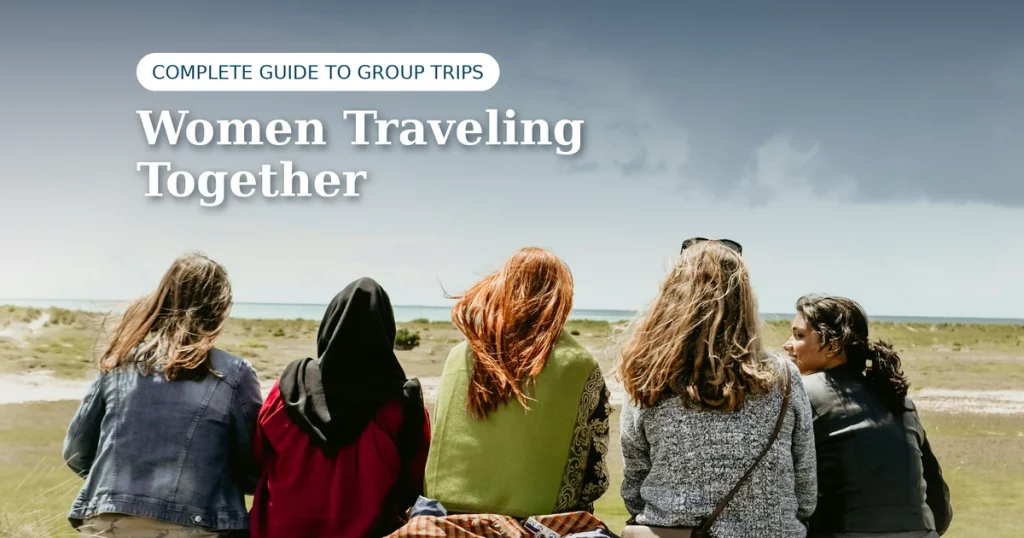
Travel can be more enjoyable when you share it with people who have similar interests. You can explore new places, try local food, and create memories together. You also have someone to share the experience with when plans change.
Women traveling together has become an appealing option for women who want to explore without waiting for friends or family to join them. You can travel with people you already know or join an organized group of new companions.
What Does Women-Only Group Travel Mean?
Women-only group travel brings women together for a shared trip. Some groups focus on cultural experiences, while others offer hiking, wellness retreats, food tours, or relaxing beach holidays.
You can book a guided tour or organize a trip with friends. Organized tours often include accommodation, transport, activities, and a tour leader. The exact services depend on the company and package.
Why Are Women Choosing to Travel Together?
Group travel makes it easier to meet people and share travel experiences. You can enjoy company during meals, sightseeing, and evening activities without organizing everything alone.
It can also reduce planning stress. A tour operator may arrange hotels, transport, and guided visits. However, group travel does not remove every risk, so you should still research your destination and prepare carefully.
Two Common Types of Women Traveling Together
Most trips fall into two broad categories. You can travel with women you already know or join a group organized by a travel company.
Traveling With Friends
A friends’ trip gives you more control over the destination, schedule, and budget. You can choose a relaxing beach holiday, a city break, or a longer international adventure.
The key is to discuss expectations before booking. Talk about spending limits, accommodation, daily activities, and free time. These conversations can prevent disagreements later.
Joining a Women’s Travel Group
An organized group is useful when your friends cannot travel or have different interests. You book a place on a scheduled trip and meet other travelers.
Companies such as Women Traveling Together arrange tours for women who want to explore with a group. Its website describes guided trips, female Tour Directors, destination highlights, and scheduled free time. Check the company’s current membership rules and booking terms before reserving a place.
How to Choose the Right Women-Only Travel Group

Start by deciding what you want from the trip. You may prefer museums and local food over demanding hikes. Another traveler might want outdoor adventures and active excursions.
Compare the itinerary, group size, accommodation, activity level, and cancellation policy. Read recent traveler feedback and look for detailed comments about the guides, hotels, communication, and value for money.
The best women-only travel groups are not necessarily the most expensive. Choose one that matches your needs and clearly explains what your payment includes.
How Many Women Should Be in a Travel Group?
There is no perfect group size for every traveler. Smaller groups often make conversations and schedule changes easier. Larger groups may offer more chances to meet people with similar interests.
Some operators advertise groups of around 8 to 15 travelers, but sizes vary by company and departure. Ask about the minimum number required for a trip to operate and the maximum number of participants.
What If You Are Traveling With Women You Do Not Know?
Feeling nervous before your first group trip is normal. You may wonder whether you’ll fit in or share interests with the other travelers.
Read the group description and ask the organizer about its usual participants. Some groups focus on particular age ranges or activities. Others welcome a wider mix of backgrounds and experience.
Introduce yourself before departure if the company provides a group chat or online meeting. You don’t need to become close friends with everyone. Respectful communication and shared interests can make the trip enjoyable.
What Happens Before the Trip?
A well-organized trip should provide clear information before departure. You should receive an itinerary, payment schedule, accommodation details, and a list of included services.
Some operators arrange online introductions or provide packing guidance. Others send practical information closer to departure. Ask about visas, insurance, airport transfers, and emergency contacts before paying the final balance.
Who Is Leading the Trip?
A tour leader helps the group follow its schedule and understand the destination. Depending on the package, local guides may also lead museum visits, walking tours, or cultural activities.
Ask about the leader’s experience and language skills. Find out how the company handles illness, missed connections, or unexpected changes. A clear support process is more useful than a vague promise of assistance.
Cultural Travel or Adventure Travel?
Cultural trips usually focus on local history, food, art, traditions, and everyday life. They may include guided walks, cooking classes, historic sites, and visits with local communities.
Adventure trips can include hiking, kayaking, cycling, or wildlife experiences. Check the activity rating before booking. Make sure the physical demands match your fitness level and comfort.
Do Women-Only Tours Charge a Single Supplement?
A single supplement is an additional charge for having a private room instead of sharing accommodation. Some hotels charge more for one person because the room rate is not divided between two guests.
Policies differ between operators and trips. Some offer private rooms for an extra fee, while others provide roommate matching or occasional promotions with reduced supplements.
Ask for the total cost of a single room before booking. Confirm whether you can share with another traveler and what happens if a suitable roommate is unavailable.
What Does Women-Only Travel Cost?

The price depends on the destination, trip length, accommodation, transport, and included activities. A short domestic break may cost much less than a multiweek international tour.
Check whether the advertised price includes flights, meals, transfers, attraction tickets, and tips. Also budget for insurance, visas, personal shopping, and optional excursions.
Solo travel female packages are all-inclusive only when the operator clearly states which services are covered. Never assume that every meal, flight, or activity is included in the advertised price.
Best Destinations for Women Traveling Together
The best destination depends on your interests, travel experience, and budget. Choose a place with suitable transport, accommodation, and activities for your group.
Popular options include:
- Italy: Explore historic cities, local markets, art, and regional food.
- Japan: Visit temples, gardens, shopping districts, and cultural attractions.
- Portugal: Enjoy coastal towns, historic streets, and relaxed food experiences.
- Costa Rica: Consider guided nature trips, wildlife viewing, and outdoor activities.
- Iceland: Discover waterfalls, volcanic landscapes, and scenic driving routes.
Best Places to Travel Solo for Females in the US
For domestic trips, consider New York City, Washington, DC, San Diego, and Seattle. These destinations offer museums, restaurants, public attractions, and different ways to explore without a large group.
National parks can also be rewarding, especially with guided tours or organized transport. Research current conditions, distances, weather, and local safety guidance before travelling.
No destination is completely risk-free. Choose activities that suit your experience and keep a flexible plan.
How to Plan a Trip With Friends
Begin with a destination that interests everyone. Set a realistic budget before choosing hotels or buying tickets.
Assign simple tasks to each person. One friend can research accommodation while another compares transport and activities. Keep reservations and travel documents in a shared folder so everyone can find important details.
Book major arrangements early when dates are fixed. Leave some activities flexible to allow for changing energy levels and unexpected discoveries.
How to Handle Money When Women Travel Together
Money disagreements can affect even close friendships. Discuss the budget before making non-refundable bookings.
Agree on how to split accommodation, transport, shared meals, and group activities. You can use a shared expense tracker or settle individual costs as you go.
Not everyone needs to spend the same amount on personal activities. Respect different budgets and avoid pressuring anyone to join an expensive excursion.
Talk About Rooms Before You Book
Accommodation can create confusion if expectations differ. Some travelers want private rooms, while others are comfortable sharing.
Discuss room types, bathroom arrangements, location, and hotel standards before paying. If you’re booking an organized tour, check the room-sharing policy and any extra charge for a private room.
Also ask about accessibility needs and any special requirements. Clear information helps everyone choose a suitable option.
Build an Itinerary That Leaves Room for Independence
A good itinerary balances shared activities with personal time. You might visit a museum together in the morning and explore separate neighborhoods later.
Avoid planning every hour. Leave space for rest, shopping, or an unplanned café stop. A flexible schedule helps people enjoy the trip at their own pace.
How to Avoid Drama on a Friends Trip
Different travel styles can lead to disagreements. One person may want early starts, while another prefers slow mornings.
Discuss these differences before departure. Agree that people can skip activities without making others feel guilty. Be honest about problems and address small issues before they become bigger conflicts.
How to Stay Safe While Traveling Together
Group travel can provide companionship, but it is not a guarantee of safety. Research local laws, customs, transport options, and travel advisories before leaving.
Keep copies of important documents and share your itinerary with someone you trust. Use reputable transport services and avoid sharing accommodation details with strangers. The U.S. Department of State’s women travelers guidance offers additional safety advice.
Agree on a meeting point in case someone gets separated. Keep emergency contacts accessible and make sure everyone knows how to reach the group leader.
What Should You Discuss Before Booking?
Use this checklist before confirming a trip:
- What is the total budget per person?
- Which costs are included and excluded?
- How many travelers will join?
- What accommodation and room options are available?
- How active is the itinerary?
- How much free time will you have?
- What is the cancellation and refund policy?
- Who provides support during an emergency?
Get important promises in writing. Keep copies of the booking confirmation and payment receipts.
Common Mistakes to Avoid
One common mistake is booking before agreeing on the budget. Another is assuming that every traveler wants the same activities.
Avoid ignoring cancellation rules or relying only on attractive promotional photos. Read the full itinerary and check recent reviews before paying.
Finally, don’t overpack the schedule. Rest and flexibility can make a trip more enjoyable.
Is Group Travel Right for You?
Group travel suits people who enjoy shared experiences and meeting new people. It can also help first-time travelers feel more confident about visiting an unfamiliar destination.
However, you may prefer independent travel if you value complete control over your schedule. Consider a short group trip first if you’re unsure. It can help you decide whether this travel style fits your personality.
Final Thoughts
Traveling with other women can create lasting friendships and make new experiences easier to enjoy. You can join a guided tour, organize a friends’ holiday, or meet new companions through a travel community.
Choose a trip that fits your interests, budget, and comfort level. Read the terms carefully, discuss expectations early, and leave room for personal time. Good planning gives everyone a better chance of enjoying the journey.
Frequently Asked Questions
Is Traveling Together Better Than Traveling Alone?
It depends on your preferences. Group travel offers companionship and shared planning, while solo travel gives you more independence.
How Do I Find Women to Travel With?
Look for women-focused travel companies, local travel clubs, community groups, and reputable online travel forums.
What If I Do Not Have Anyone to Travel With?
You can book an organized group tour as a solo participant. Many tours welcome travelers who arrive without a companion.
Are Women Traveling Together Safe?
Group travel can offer support, but risks still exist. Research the destination, follow safety guidance, and choose a reputable operator.
How Many Women Are Usually in a Travel Group?
Group sizes vary. Some operators offer small groups of around 8 to 15 travelers, while others accept more participants.
Do Women-Only Tours Charge a Single Supplement?
Some do. Check the room policy and total price because single-room charges vary by company and departure.
What If I Do Not Get Along With Someone?
Stay polite, communicate clearly, and take time for yourself when possible. Contact the tour leader if a serious issue affects your comfort or safety.
Can Women of Different Ages Travel Together?
Yes. Many groups welcome adults of different ages, while others focus on a specific age range. Check the operator’s requirements before booking.
How Should Friends Split Travel Costs?
Agree on a budget and shared expenses before booking. Track group payments and let each person pay for optional personal activities separately.